The Folding Process
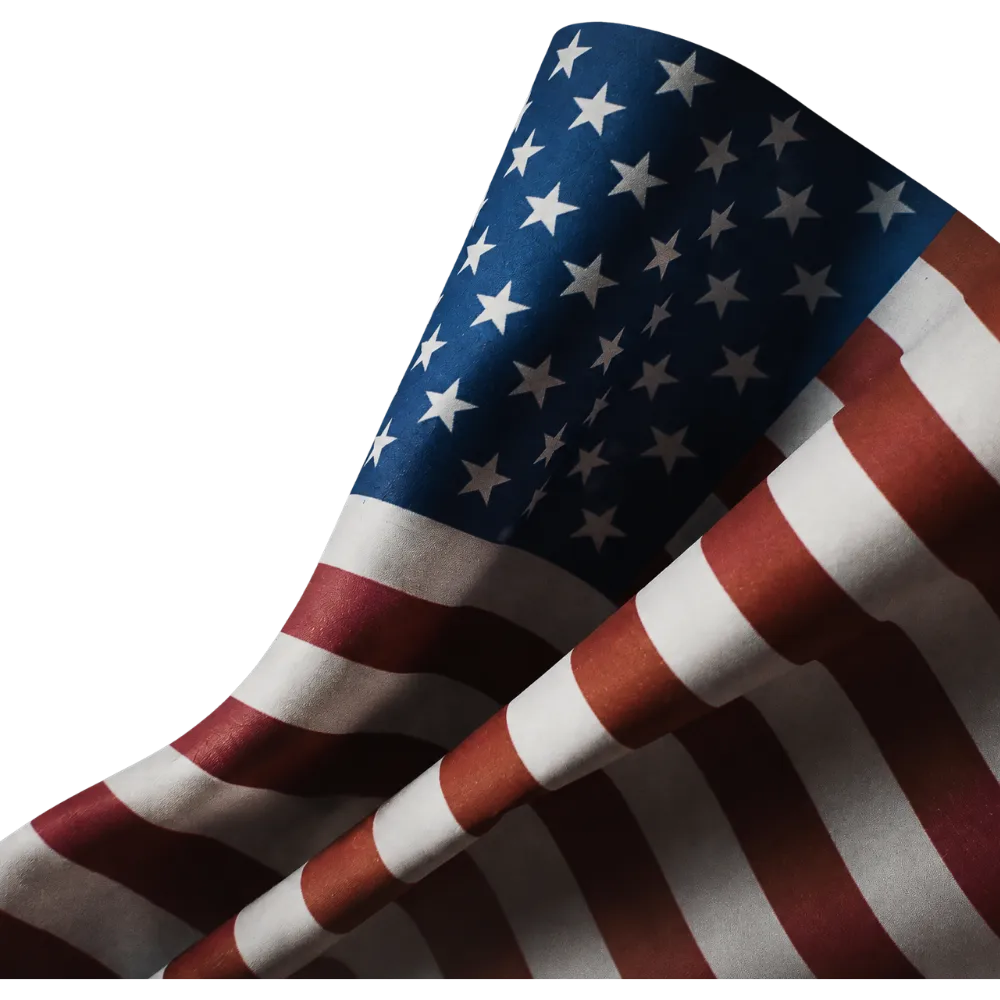
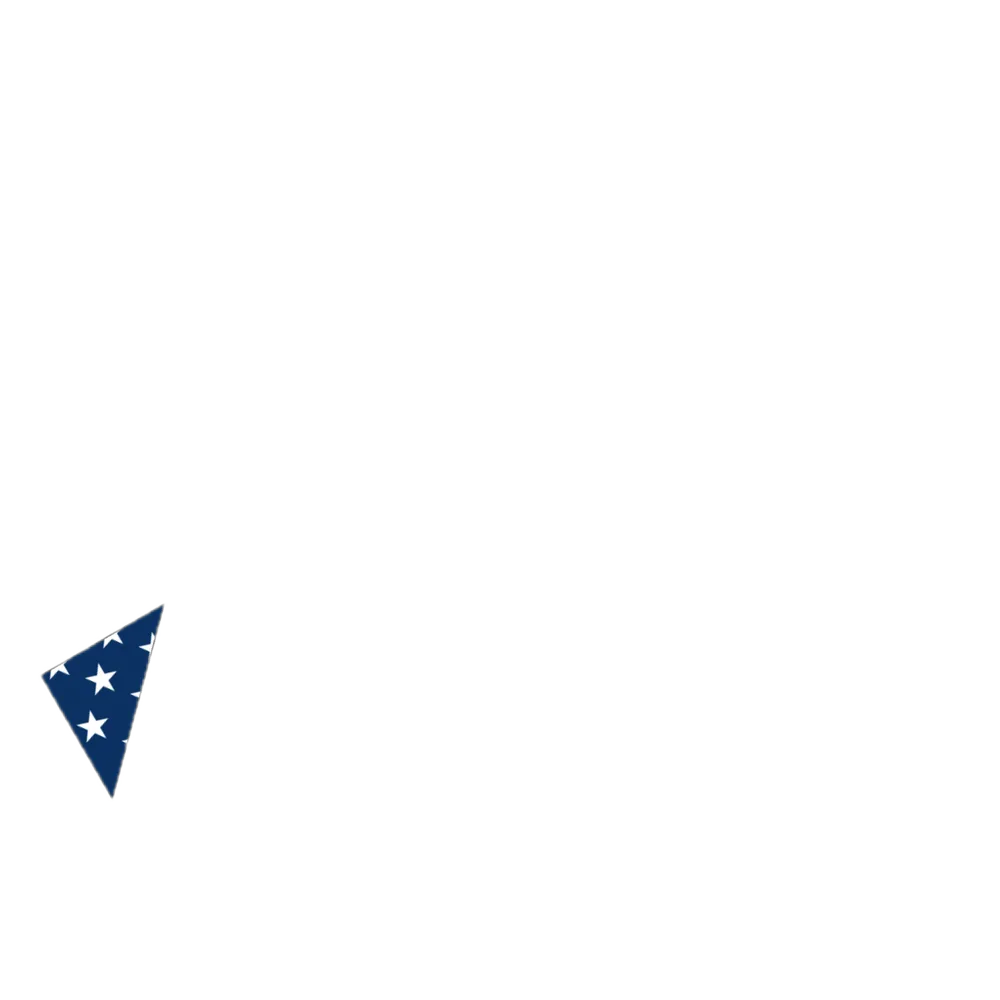
The flag is held waist-high and kept parallel to the ground throughout. It's folded in half lengthwise, then in half lengthwise again, so the blue field ends up facing outward along the bottom edge. Starting at the striped end, triangular folds are made one after another, working steadily toward the blue field. Done correctly, it takes exactly 13 folds. When it's finished, only the blue field and stars remain visible, folded into a triangle that resembles a tricorn hat — the kind worn by soldiers of the Continental Army.
Where You'll See It
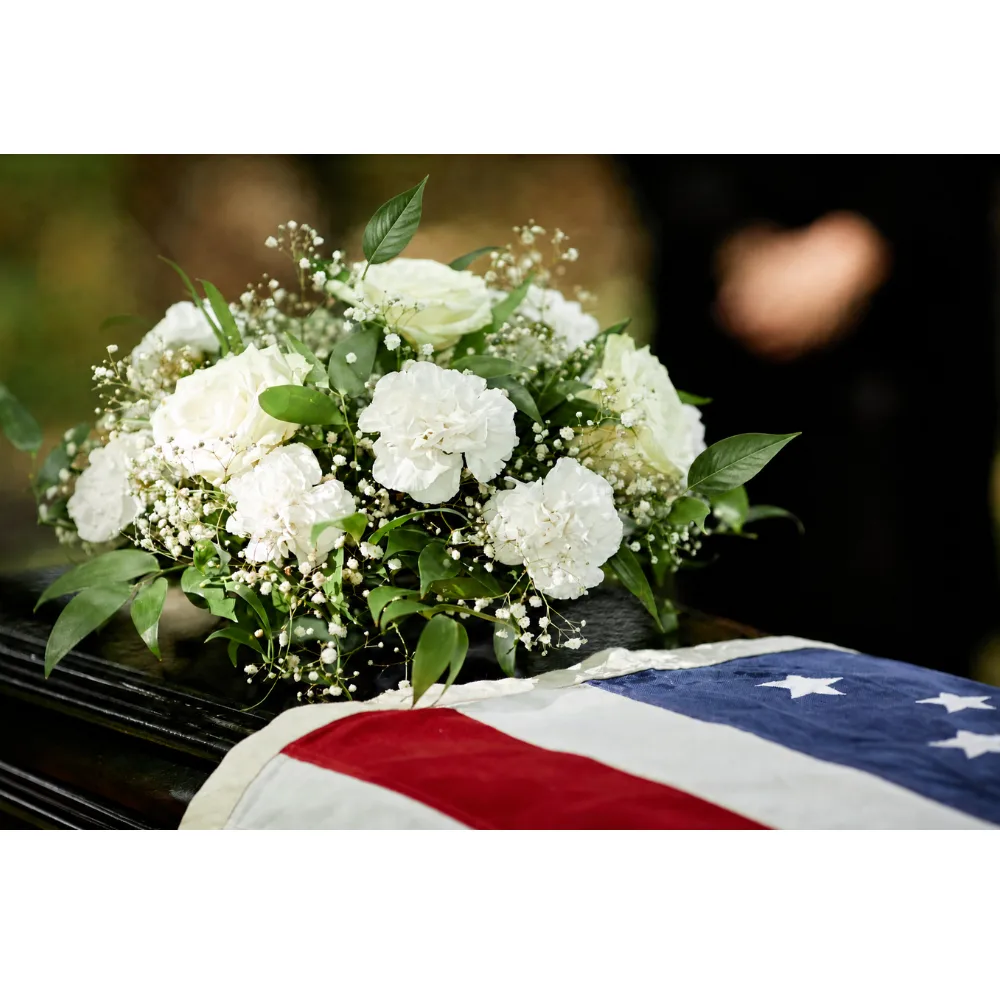
This fold is most familiar from military funerals, where the flag that's draped a veteran's casket is folded and presented to their next of kin. It's also part of Memorial Day grave decorations, flag retirement ceremonies, and other patriotic events. At Arlington National Cemetery, the same 13-fold flag is used for every service member's funeral, including at the Tomb of the Unknown Soldier.
Not Part of the Official Code
Worth knowing: the 13-fold count, and the practice of assigning a meaning to each fold, aren't part of the official U.S. Flag Code and were never codified by Congress or the military. It's a widely practiced folk tradition, most often traced back to unofficial scripts that circulated through American Legion halls, VFW posts, and Air Force chaplains in the mid-20th century. Families arranging a military funeral can request that the meanings be recited during the folding — or ask for it to be done in silence instead. Neither is required.
The Traditional 13-Fold Meanings
and folding guideThe exact wording of this tradition has never been standardized, and it varies from one version to the next — especially toward the end. Here's the gist of it, in plain modern language:
- The first fold stands for life itself.
- The second fold represents a belief in life after death.
- The third fold honors the veteran leaving the ranks, handing off the job of defending the country to those who come next.
- The fourth fold is about trust in a higher power for guidance — in war and in peace alike.
- The fifth fold is a tribute to the country itself.
- The sixth fold is where hearts turn — it's tied to the moment of pledging allegiance.
- The seventh fold honors the armed forces, and everyone who's defended the country on land, at sea, and in the air.
- The eighth fold honors those who gave their lives so their children could grow up in a better, freer country — and is often linked to Mother's Day, as a tribute to mothers.
- The ninth fold is a tribute to womanhood, and to the faith, love, and devotion women have shown throughout the country's history.
- The tenth fold is a tribute to fathers.
- Some versions of the tradition give the eleventh fold a Hebrew meaning, echoing the seal of King David and King Solomon.
- Some versions give the twelfth fold a Christian meaning, honoring the Trinity.
- On the thirteenth and final fold, the flag is completely folded, with only the blue field and stars showing — read by some as a nod to the national motto, "In God We Trust." The finished triangle is meant to resemble the tricorn hat worn by soldiers who served under George Washington, folded as a mark of honor for those who've served.
See Below for visual guide on flag folding
Fold Lengthwise
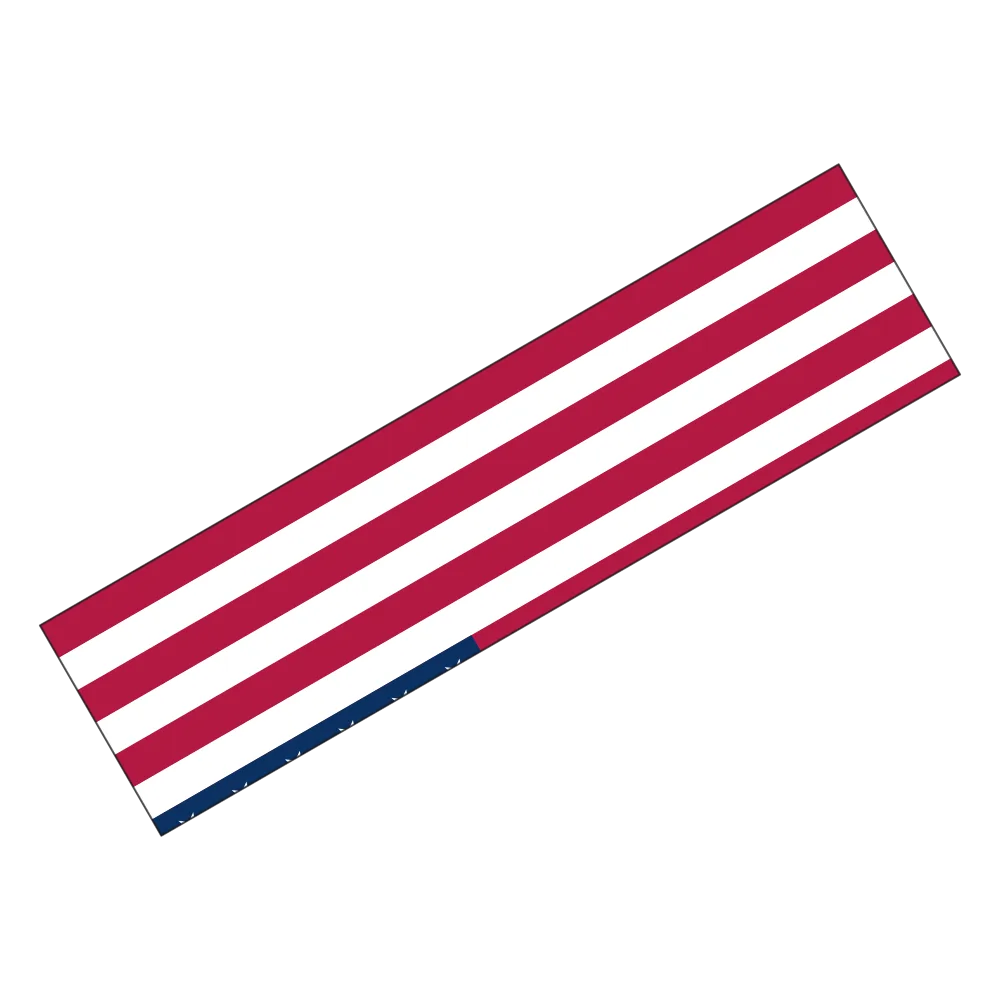
Lengthwise again
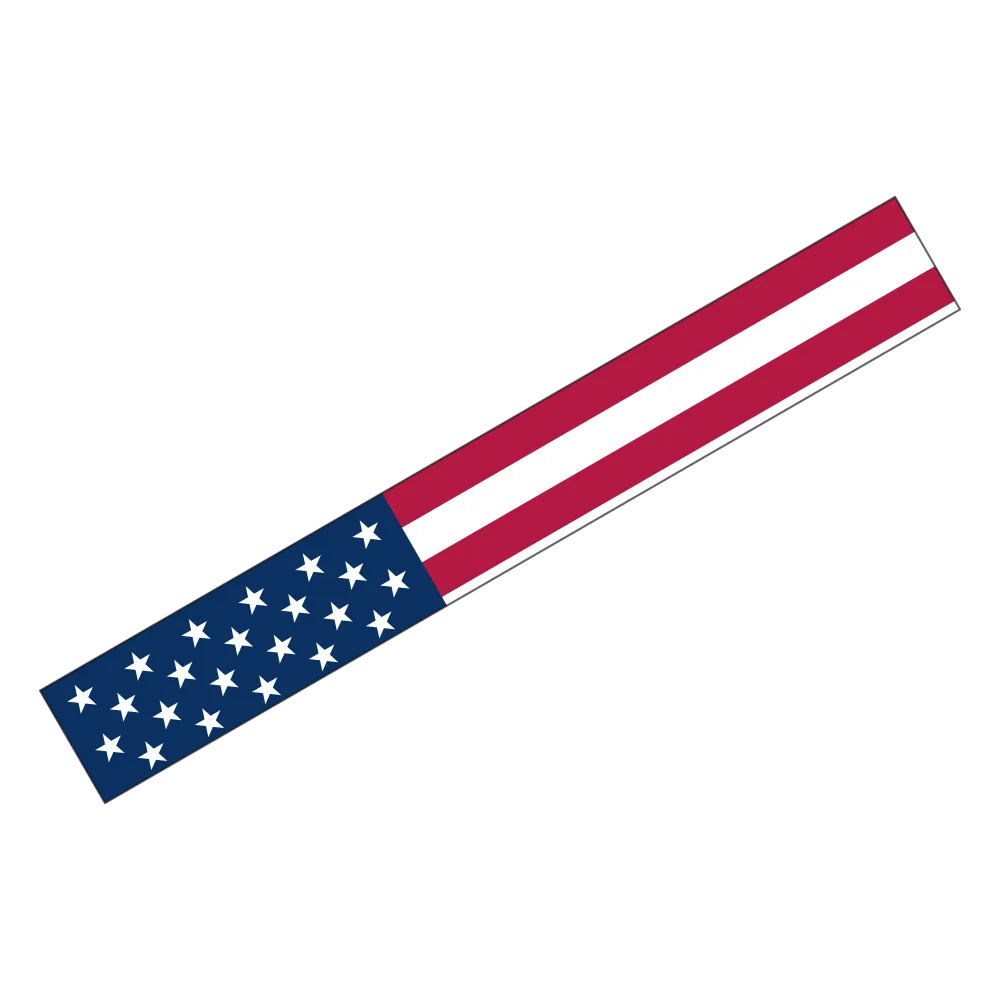
Start Triangle folds
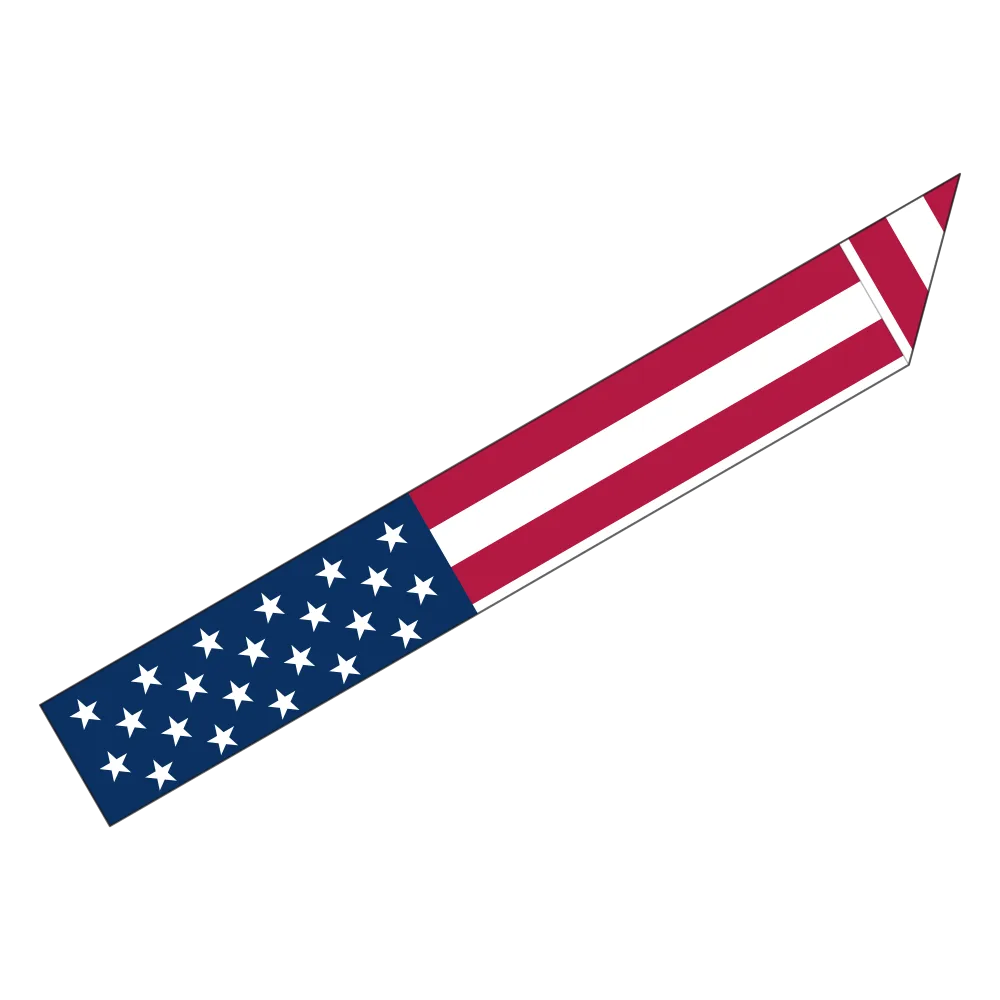
Fold Outer Corner In
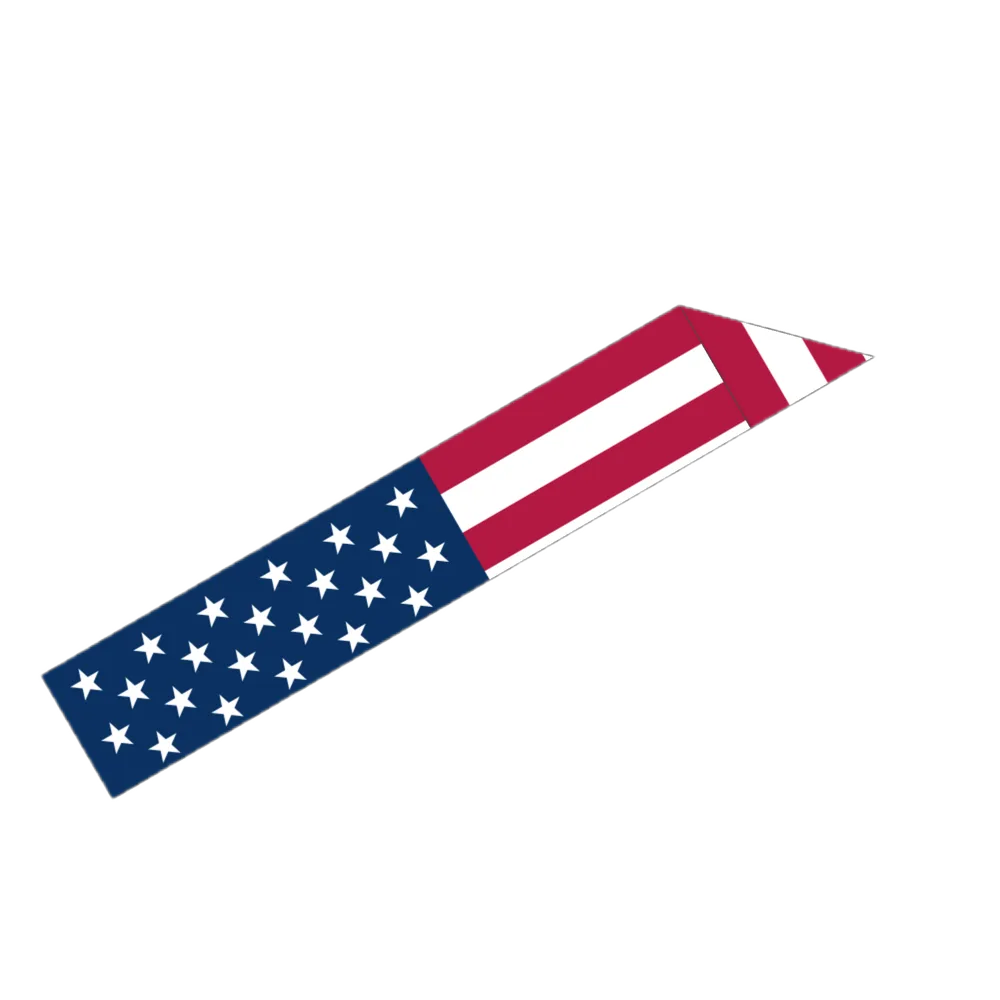
Repeat Triangles
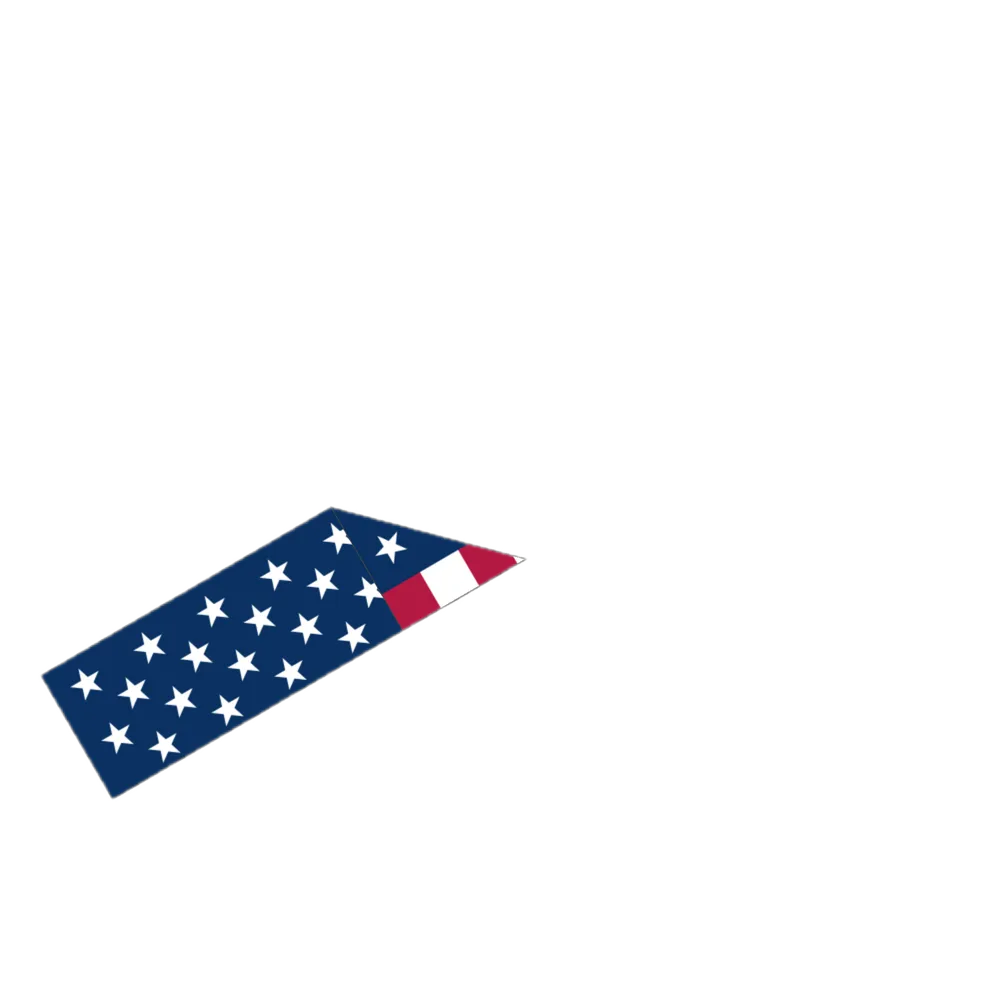
Tuck in the last fold
Quick Reference
- Folded lengthwise twice, then triangle folds — 13 in all.
- Finished shape shows only the blue field and stars.
- Standard part of military funerals and flag retirements.
- The 13-fold meanings aren't official — they're tradition.
- Families can request the recitation, or skip it.
- The finished triangle echoes a Continental soldier's hat.