
The Core Principle

What Not to Do With It
Beyond the display rules, the Flag Code sets out what the flag should never be used for:
- Never let it touch the ground, floor, water, or merchandise.
- Never carry it flat or horizontal — always aloft and free.
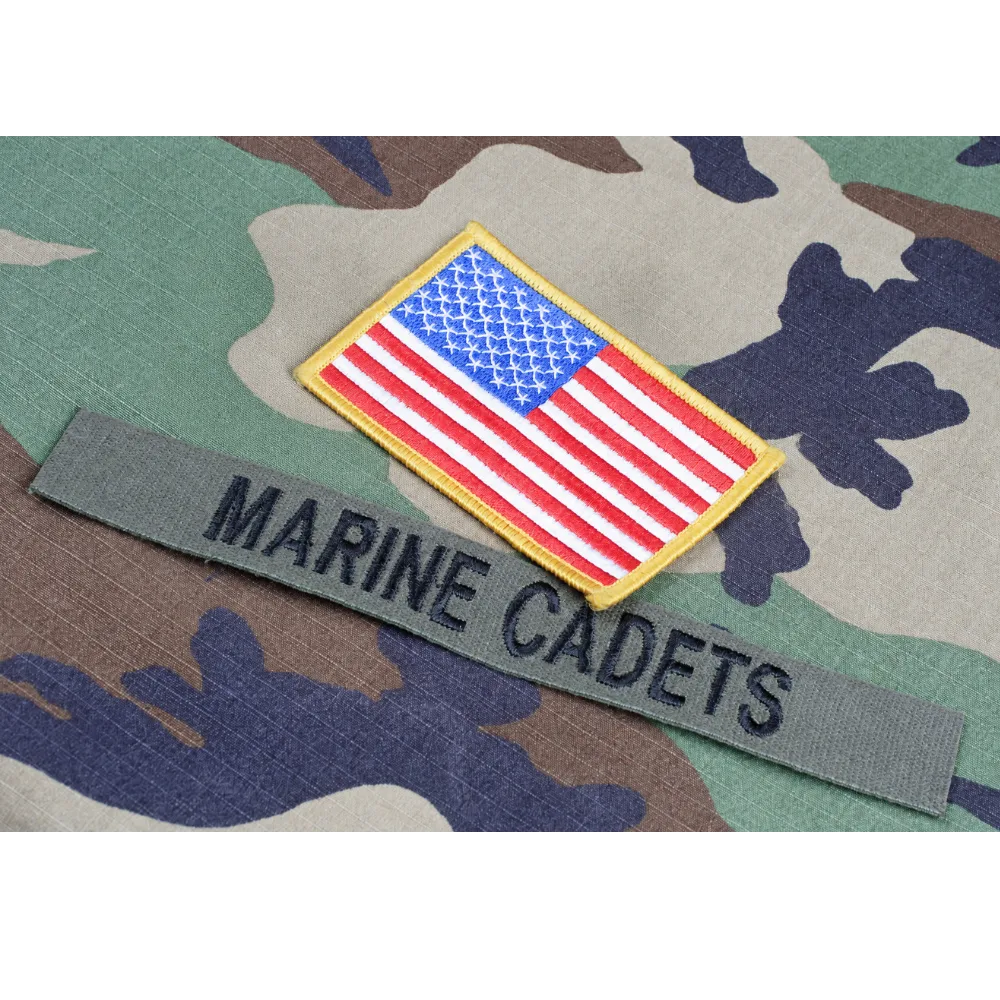
- Never wear it as clothing, bedding, or drapery; never festoon or bunch it, always let it fall free. (Blue-white-red bunting — blue on top, white in the middle, red below — is the traditional stand-in for platform or speaker's-desk decoration.)
- Never display or store it in a way that lets it get easily torn, soiled, or damaged.
- Never use it as a covering for a ceiling.
- Never mark, print, or attach anything to it — no insignia, letters, or designs.
- Never use it as a receptacle for carrying or holding anything.
- Never use it for advertising — no embroidering it on cushions or handkerchiefs, no printing it on napkins or boxes meant for disposal, and no ad signage fastened to its staff or halyard.
Clothing, Patches & Pins
When Retirement Time Comes

Saluting & Conduct as It Passes
During the hoisting or lowering of the flag, or when it passes in a parade or review, those present in uniform render the military salute; members of the Armed Forces and veterans out of uniform may also salute. Everyone else faces the flag, stands at attention, and places the right hand over the heart. Non-uniformed men remove any non-religious headwear with the right hand and hold it at the left shoulder, keeping the hand over the heart. Citizens of other countries present simply stand at attention. In a moving column, the gesture happens at the exact moment the flag passes — not before, not after.
None of this carries a legal penalty for individuals — the Flag Code's etiquette is custom, not criminal law. That principle was reinforced in 1989, when the Supreme Court ruled in Texas v. Johnson that burning a flag in political protest is a form of speech protected by the First Amendment.
Quick Reference
- No disrespect, ever — the flag never dips, even in salute.
- Never touches the ground, floor, water, or merchandise.
- Never worn as clothing — but a small patch or lapel pin is fine.
- Right hand over the heart; uniformed persons salute.
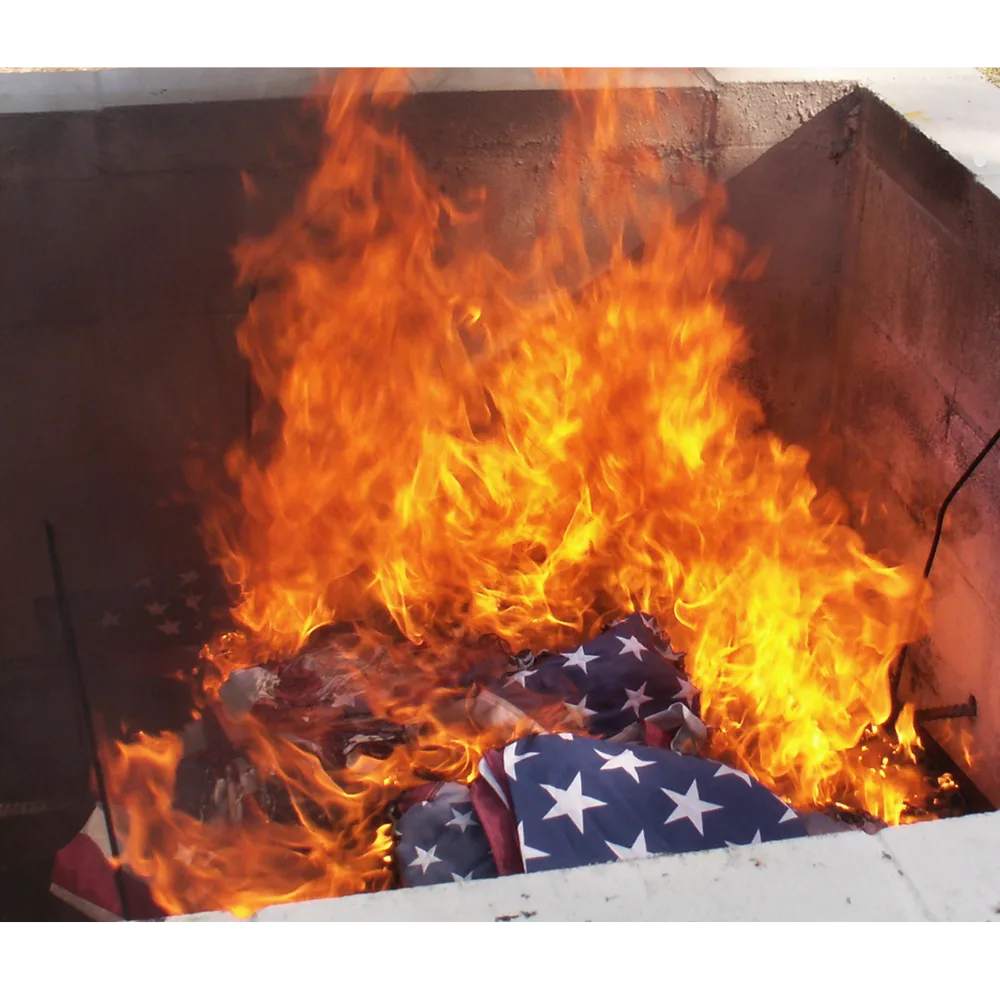
- Retire it by burning once it's no longer fit to fly.
- Custom, not law — but a mark of respect worth keeping.